

Note : Cet article est rédigé en anglais
Indoor Ventilation, Humidity and Control
June 25, 2025
Introduction
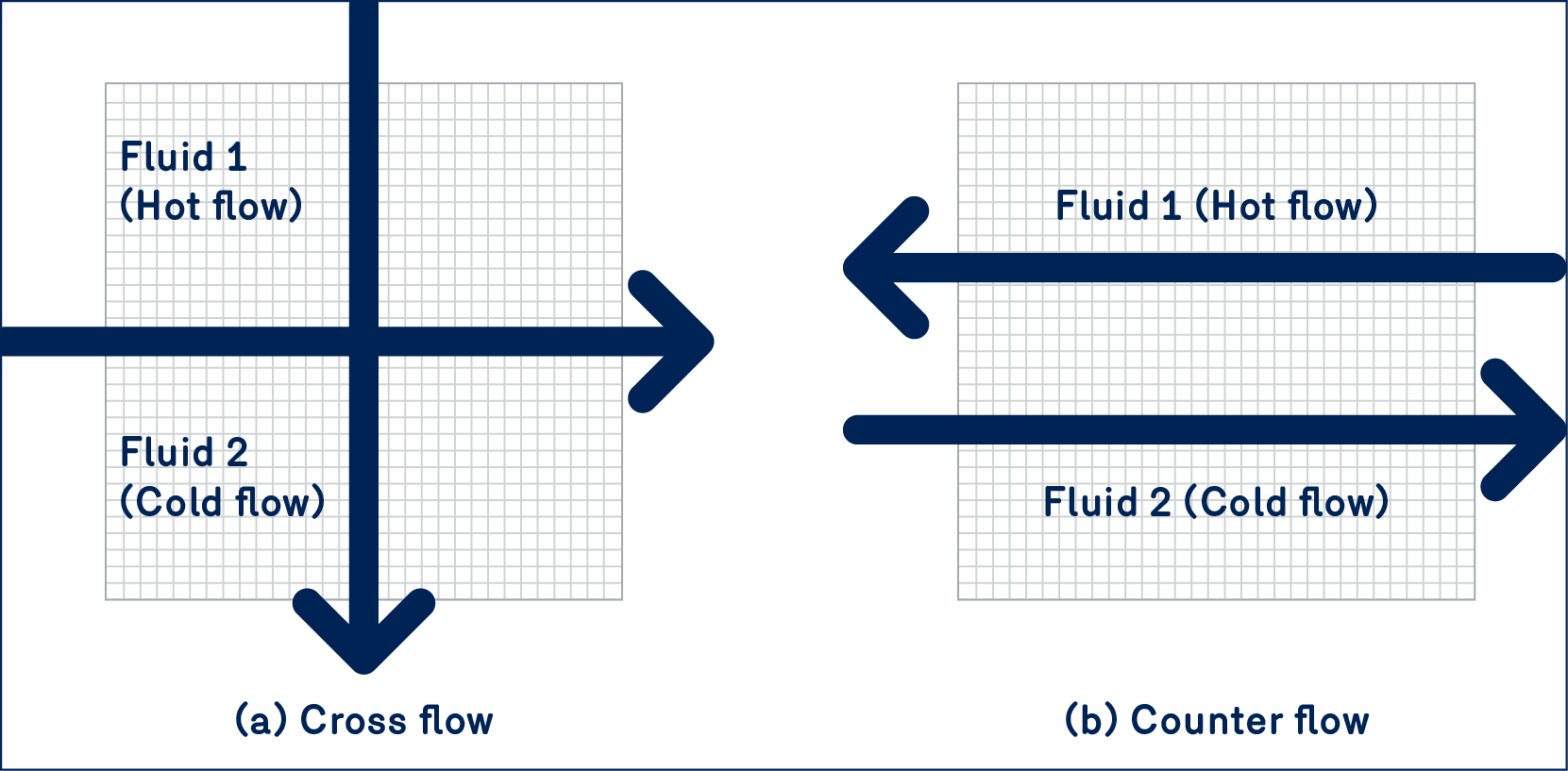
Figure 1: Crossflow and counterflow exchanger fluids flow.
Heat Recovery Ventilation (HRV)
HRVs utilize impermeable plates to transfer sensible heat while preventing airstream mixing, ensuring effective thermal exchange without transferring moisture. As a result, any condensation in the exhaust air stream must be carefully managed and this to avoid any frost buildup in winter months.
Frost-Prevention and Defrosting Strategies in HRV
- Water Drainage: Eliminates the accumulation of condensation through a series of channels and pipes. Though there is a risk of freezing, a properly designed system can avoid such a problem.
- Preheat Coil: Warms incoming air above the frost threshold using electric, steam, or hot water heating, reducing heat recovery efficiency but ensuring continuous ventilation.
- Performance Modulation: Adjusts heat exchanger effectiveness—increases the flow of outgoing stream and reduces the flow of incoming stream—to minimize frost formation at the cost of reduced heat recovery and efficiency.
- Exhaust-Only Defrosting: Temporarily shuts the supply fan, using exhaust air to melt ice. Simple and cost-effective but may interrupt ventilation and cause negative pressure.
Energy Recovery Ventilation (ERV)
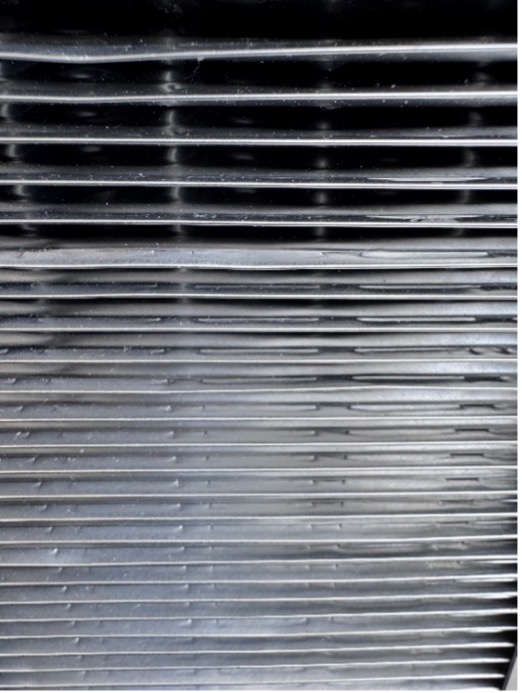
Figure 2a: HRV plates with aluminum plates and only sensible heat transfer.
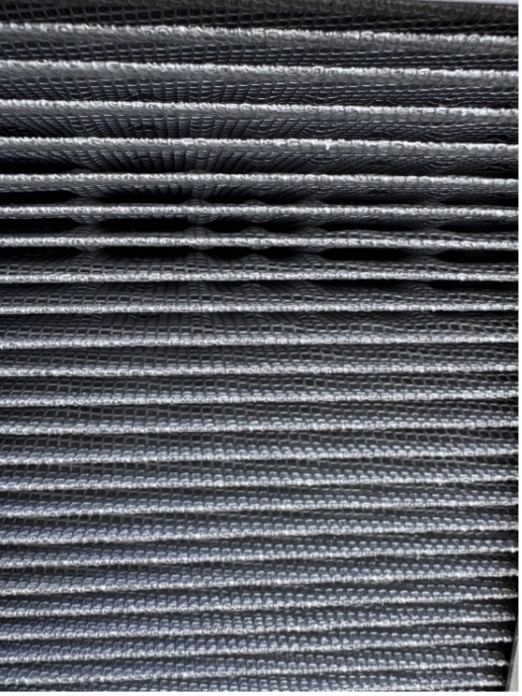
Figure 2b : ERV plates with mesh and porous opening for sensible and latent transfer.
On the other hand, some industries and especially commercial and residential sectors need to maintain humidity for comfort and to limit disease spreading. This can be explained because mucous membranes dry out when relative humidity levels hit 20%, and this allows for disease to spread at exponential speeds throughout population centers. Tighter humidity control is also important for clean rooms such as in the pharmaceutical or microelectronic sectors (to help limit contamination). In this case, when changing the air, one can maintain humidity control (saving on humidification costs) all while also eliminating frost buildup in the exchanger core.
For this, Energy Recovery Ventilation is very important. Instead of impermeable metal plates that only transfer sensible heat, ERV technology allows for the transfer of humidity through small porous openings in the plates that allow for the vapour particles to pass from a humid air stream to the adjacent drier one by vapour pressure gradient, allowing for moisture and latent heat without phase change. Because both heat and moisture are transferred, it reduces stress on humidifiers in winter and dehumidifiers in summer (depending on climate).
Considerations in ERV technology efficiency
To best select the right technology, we must better understand the technical subtleties of each technology. Because HRV technologies use highly conductive, optimized and large surface areas (aluminum or polymer), they are extremely efficient at transferring sensible heat. However, ERV technologies need to incorporate perforations to allow for the humidity to be transferred between streams. This requires small frames or cell walls that inevitably reduce active surface area and optimum sensible transfer design. However, this less efficient sensible transfer allows the ERV exchanger to gain latent transfer, thus allowing for better overall transfer efficiency, and lowering the burden and humidification and heating equipment.
So back to the original question, which technology is most optimal? For cold and dry climates or where humidity is not an issue, the HRV technology is more useful and applicable. Additionally, if one wants to save considerable costs, HRVs are also much less expensive. Where humidity and heating systems are solicited and where humidity is an important factor, ERV is essential, will be significantly more efficient overall and allow for much quicker payback periods.
Conclusion
Choosing between Heat Recovery Ventilators (HRV) and Energy Recovery Ventilators (ERV) depends on both the application and the efficiency requirements. ERVs typically come at a higher cost but offer enhanced moisture control, which can impact overall energy efficiency and greenhouse gas reduction strategies. Selecting the right system requires evaluating ventilation needs to ensure optimal performance and sustainability. If you have any questions regarding these technologies, you may contact your Energir energy efficiency advisor for more information.
Omar El-Rouby, Eng.
Senior advisor, Energy expertise